Why Do Windows Become Hard To Open and Close?

Why Do Windows Become Hard To Open and Close?
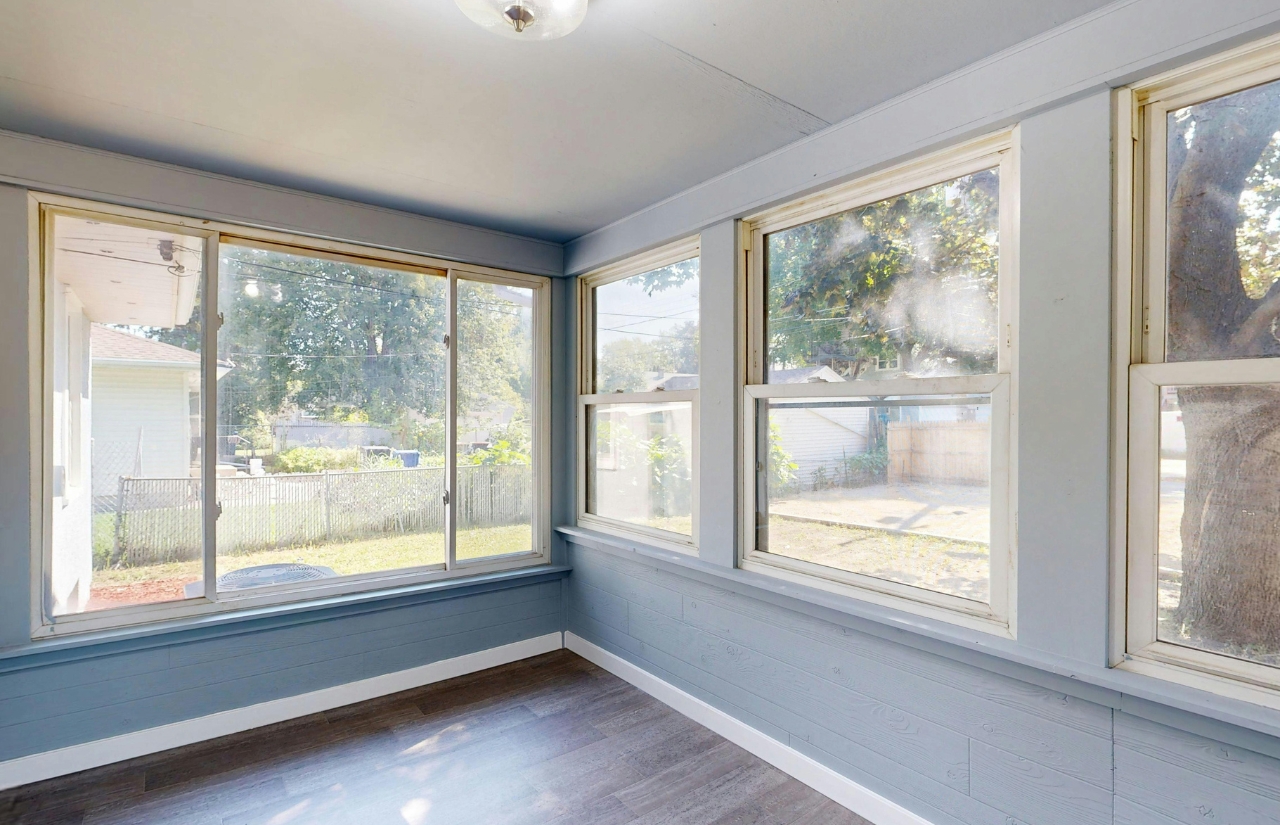
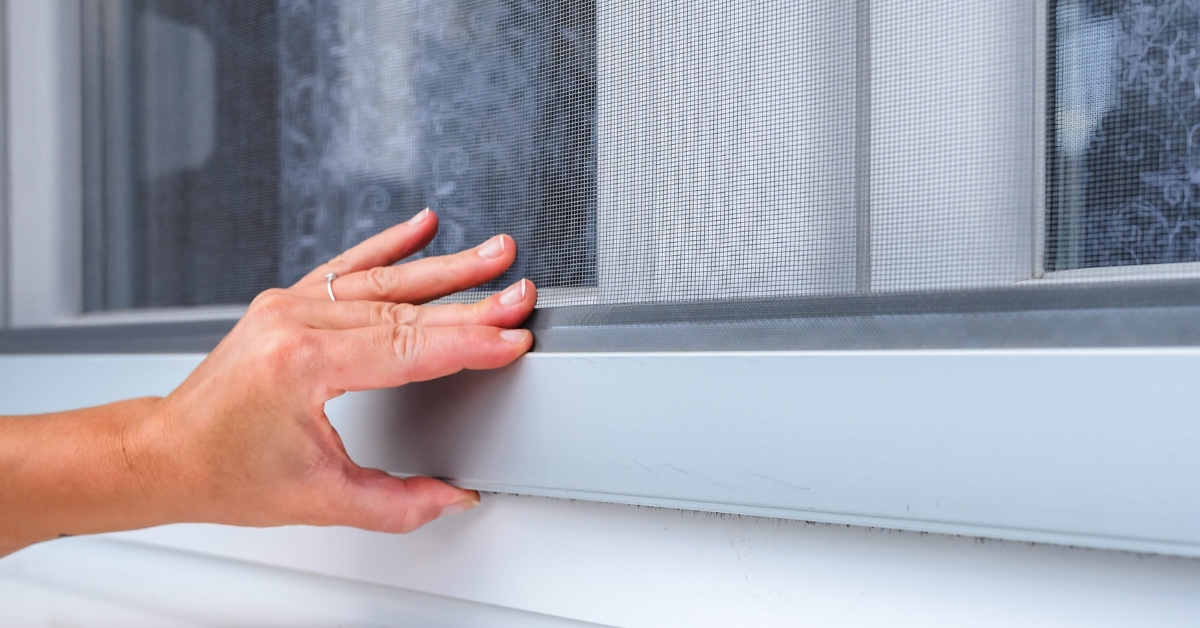
Windows become hard to open or close for several reasons, including frame shifting, hardware wear, moisture exposure, and gradual material breakdown over time. In many cases, the issue develops slowly and becomes more noticeable with seasonal changes. Both older windows and improperly installed units can experience operational problems as components age or shift. 
What Do Home Inspectors Look For In Windows and Doors?

What Do Home Inspectors Look For In Windows and Doors?

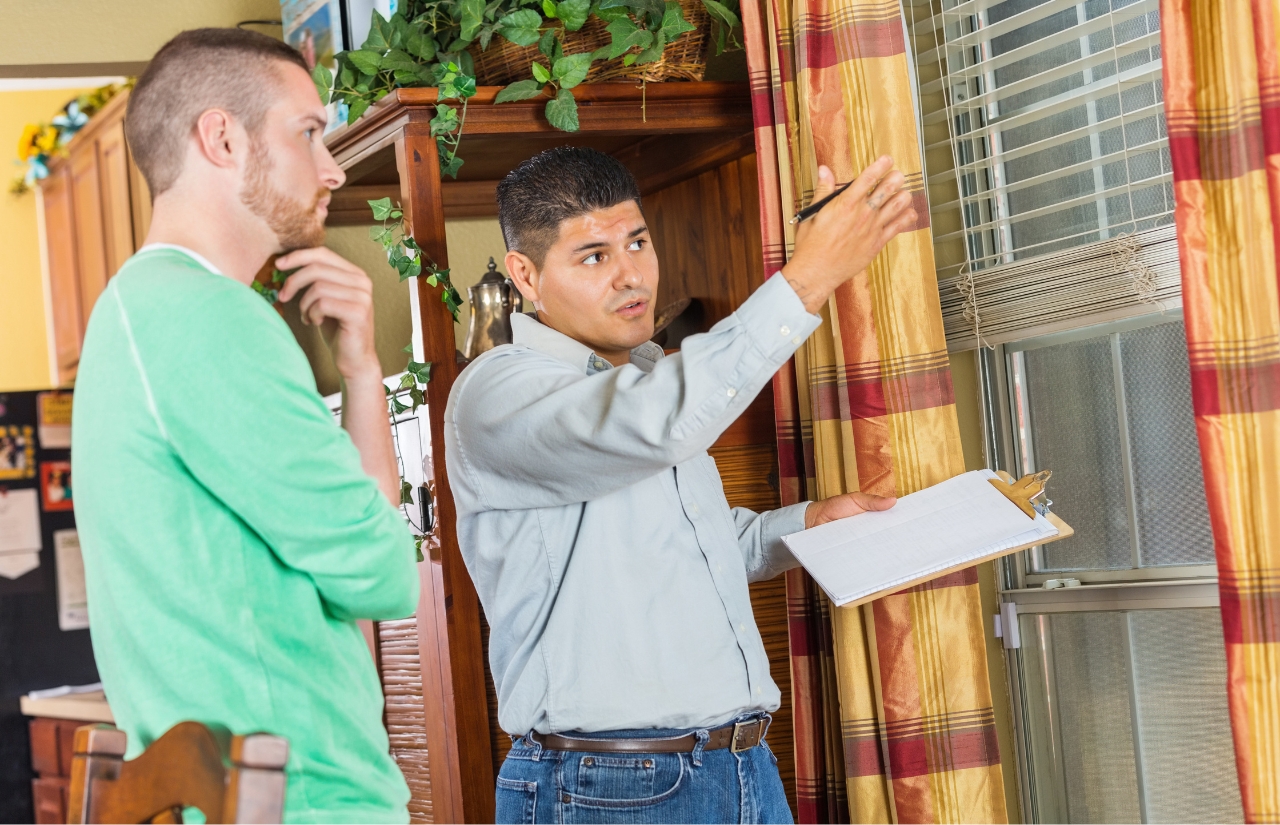
Home inspectors typically evaluate windows and doors for signs of wear, improper installation, air or moisture intrusion, and overall functionality. While inspectors do not determine whether a homeowner must replace windows or doors, they often note conditions that may affect performance, safety, or long-term durability. 

Window Installation Quality Matters As Much As The Window Itself

Window Installation Quality Matters As Much As The Window Itself

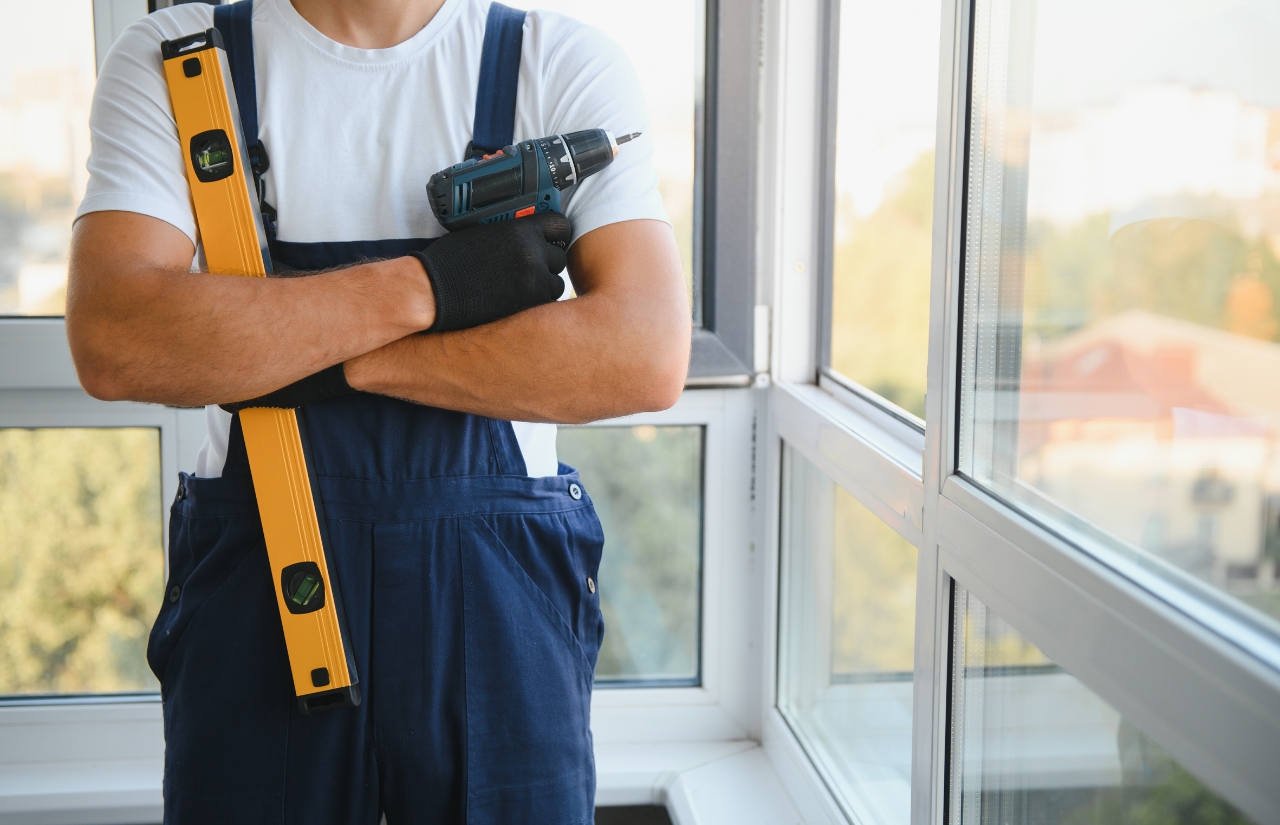
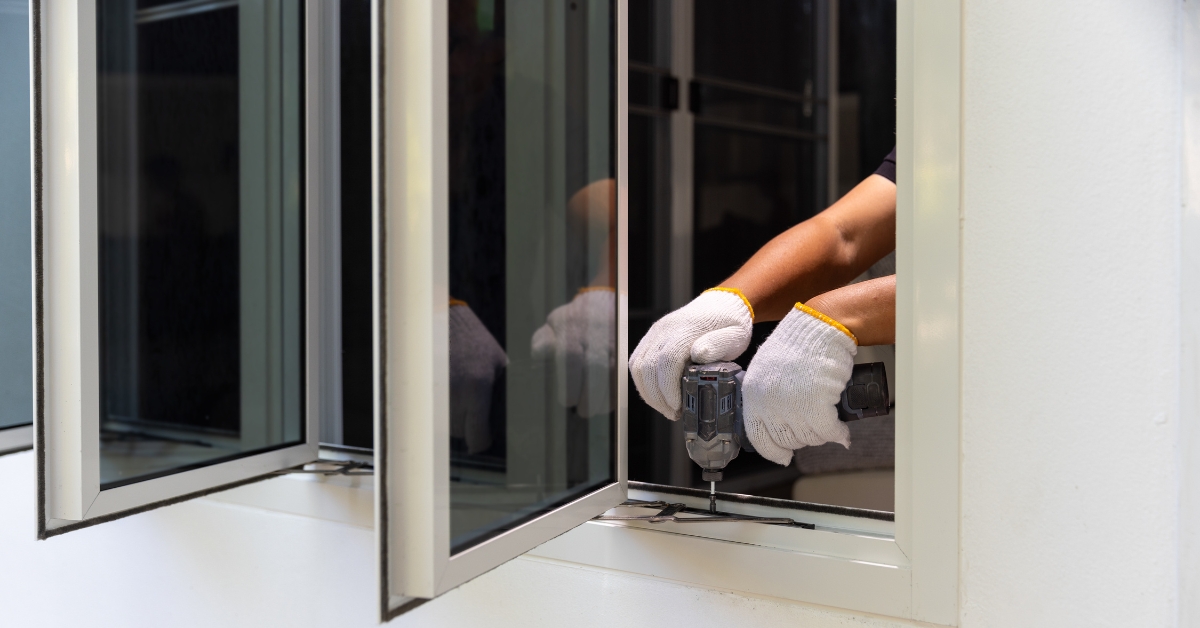
Window installation quality matters as much as the window itself because performance depends on both the product and its integration into the home. Even a well-manufactured window can underperform if it is not properly sealed, aligned, and insulated during installation. Windows are engineered systems, and their effectiveness depends on proper installation and structural support. 

Does Your Home Feel Drafty Even With the Windows Closed?

Does Your Home Feel Drafty Even With the Windows Closed?

Yes, a home can feel drafty even when the windows are closed. Drafts are not always caused by wide-open gaps between a window and its frame. More often, they result from subtle seal failures, shifting frames, or outdated window construction. While older exterior doors can sometimes contribute to air leakage, windows are typically the primary source of air leakage when indoor spaces feel consistently cool or uneven. 

Why Some Homes Feel Noisier and More Hollow Than Others

Why Some Homes Feel Noisier and More Hollow Than Others

Some homes feel louder, echoier, or oddly hollow even when there isn’t an obvious source of noise. In most cases, this sensation is not caused by the room’s size or layout alone – it’s tied to how sound, air, and vibration move through the home. Windows and doors play a major role in this experience because they are the primary transition points between indoor and outdoor environments. 

What Happens to Windows and Doors as Homes Age

What Happens to Windows and Doors as Homes Age

As homes age, windows and doors gradually lose performance due to material fatigue, seal breakdown, and structural movement. That’s no secret. These changes typically happen slowly, which is why many homeowners may not notice them right away. Even when windows and doors still look intact, their ability to insulate, seal, and operate properly can decline over time.

Why the New Year Is the Best Time to Schedule Window & Door Projects

Why the New Year Is the Best Time to Schedule Window & Door Projects

The new year is an ideal time to plan window and door projects because it allows homeowners to evaluate performance issues before seasonal extremes place additional stress on the home. Windows and doors are visual features that affect insulation, airflow, moisture control, and overall comfort every day. As temperatures fluctuate and energy use increases, underlying issues often become more noticeable early in the year.

How Does Window Replacement Affect Homeowners Insurance

How Does Window Replacement Affect Homeowners Insurance

When you think about replacement windows, the first benefits that usually come to mind are lower energy bills, improved comfort, and a boost in curb appeal. But what many homeowners don’t realize is that installing new, energy-efficient replacement windows can also influence their homeowners’ insurance.