Older Windows Can Work Against Your HVAC System

Older Windows Can Work Against Your HVAC System

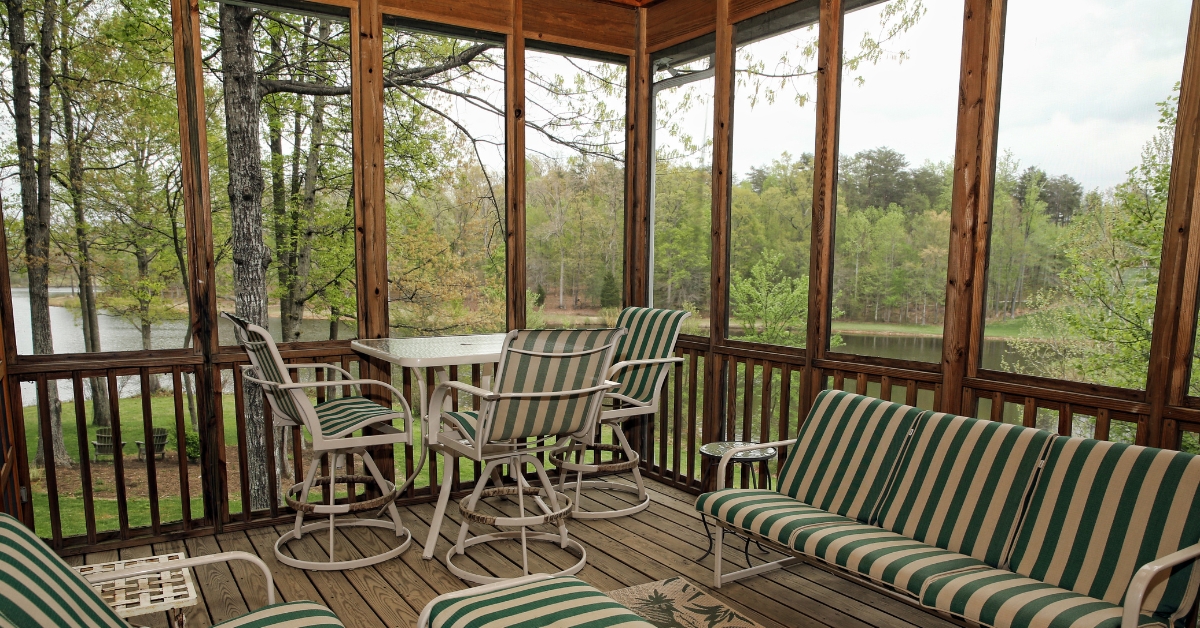
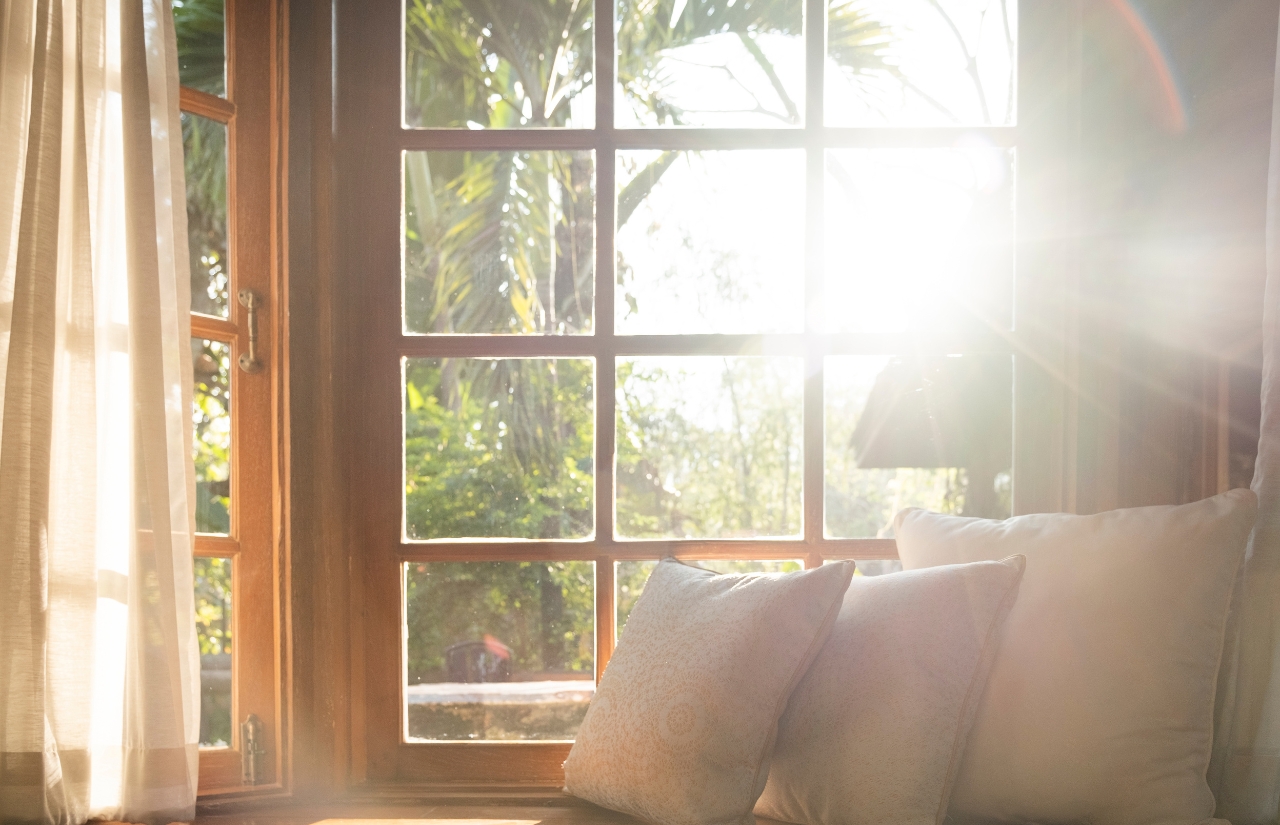
Older windows can work against your HVAC system, especially during the summer when outdoor heat is at its highest. As windows age, they often allow more heat to enter the home and make it harder for cooled air to stay inside. This forces your HVAC system to run longer and work harder to maintain comfortable indoor temperatures. Over time, this added strain can reduce efficiency and make certain areas of the home feel difficult to keep cool.

Front Door Replacement Is One Of The Most Noticeable Home Improvements

Front Door Replacement Is One Of The Most Noticeable Home Improvements

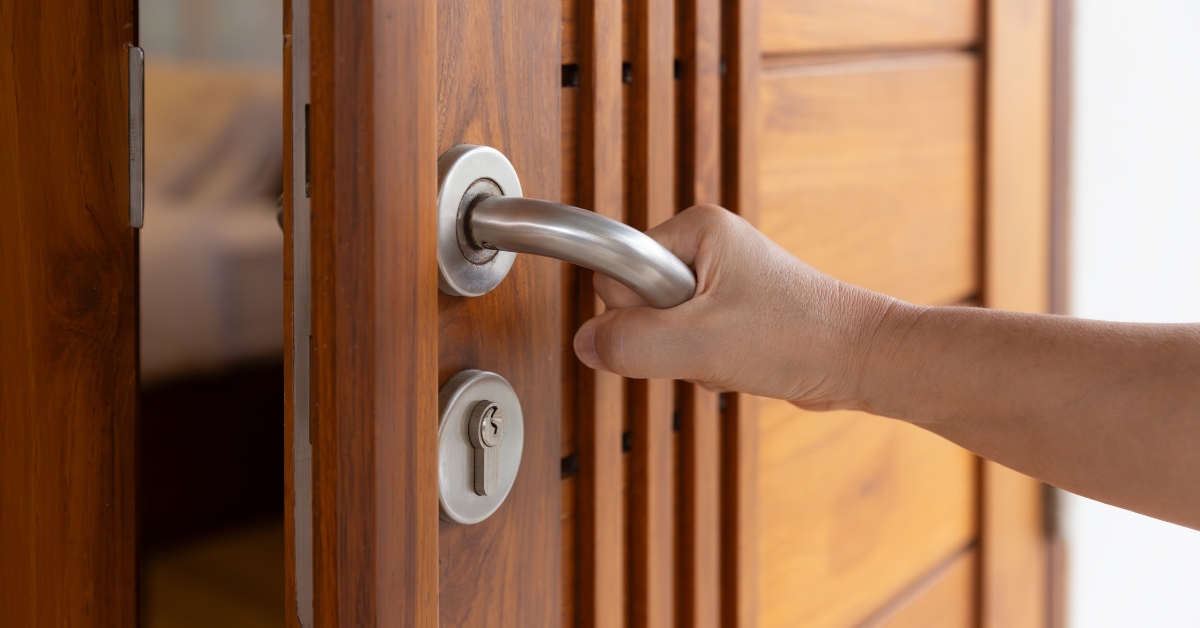
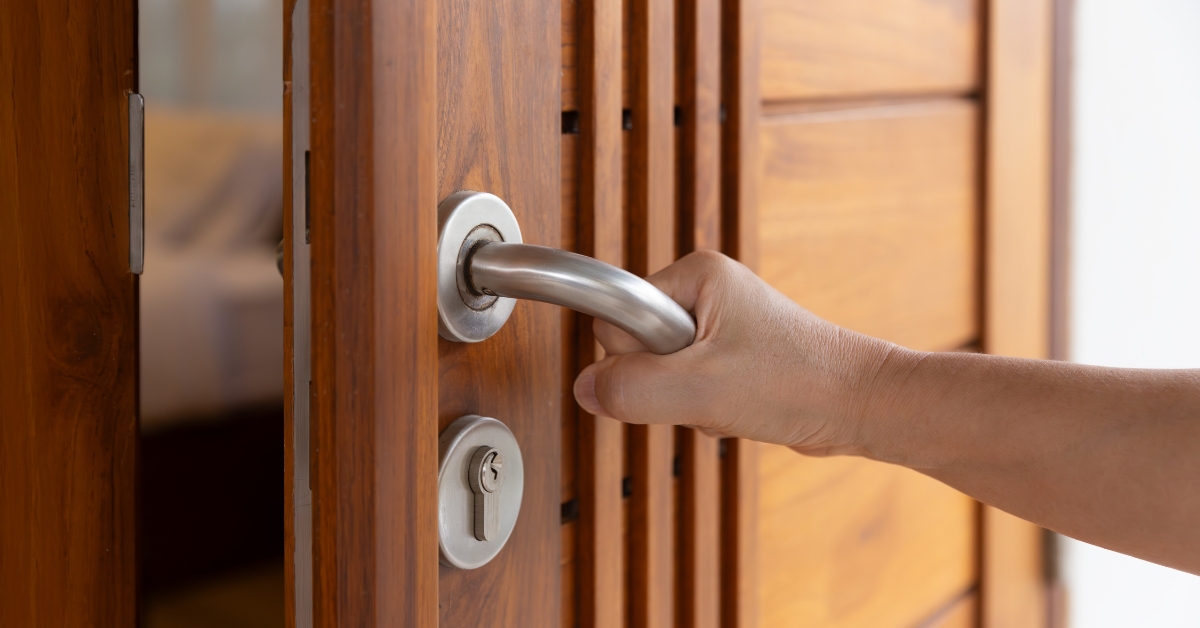
Front door replacement is one of the most noticeable home improvements because it affects both your home’s appearance and performance. The front door is one of the first things people see, but it also plays a role in insulation, security, and overall comfort. As doors age, they may begin to show signs of wear that impact more than just curb appeal. Replacing an older entry door can provide a visible upgrade while also improving how the home functions day to day.

Older Exterior Doors Lack These Energy and Security Features

Older Exterior Doors Lack These Energy and Security Features

Many homes still have exterior doors that were installed decades ago. While these doors may still open and close normally, they often lack many of the energy efficiency and security features found in modern doors. Over time, door technology has improved significantly, offering stronger materials, better insulation, and more advanced locking systems. Homeowners who upgrade through exterior door replacement frequently notice improvements in comfort, security, and overall home performance.

Custom Window Screens Can Improve Air Quality During Allergy Season

Custom Window Screens Can Improve Air Quality During Allergy Season

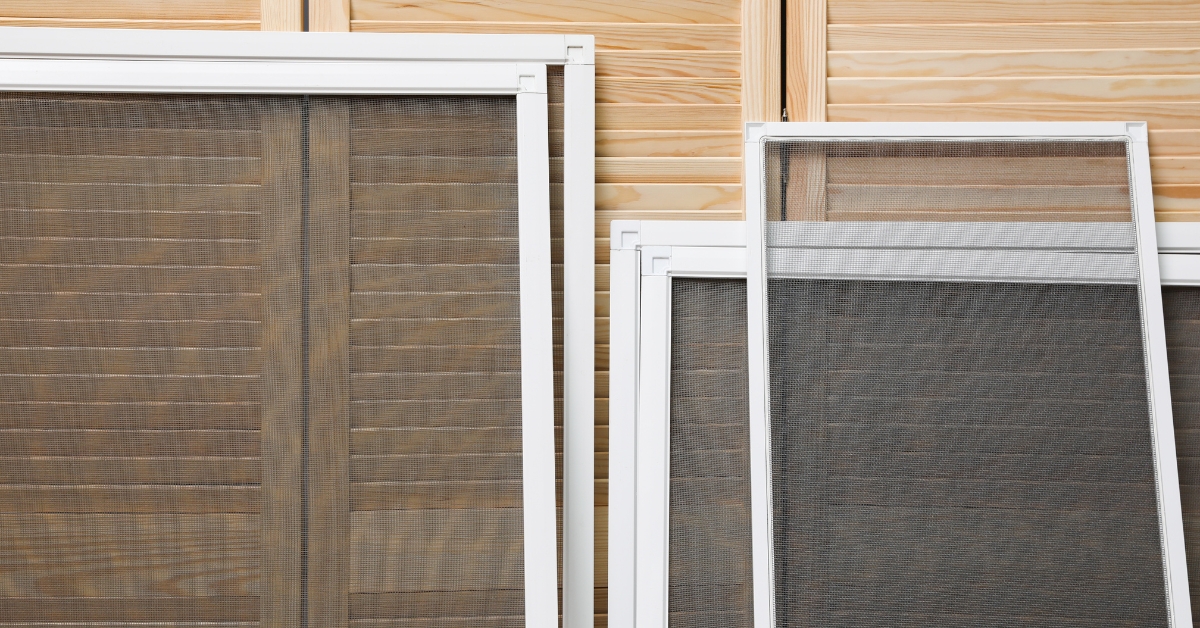
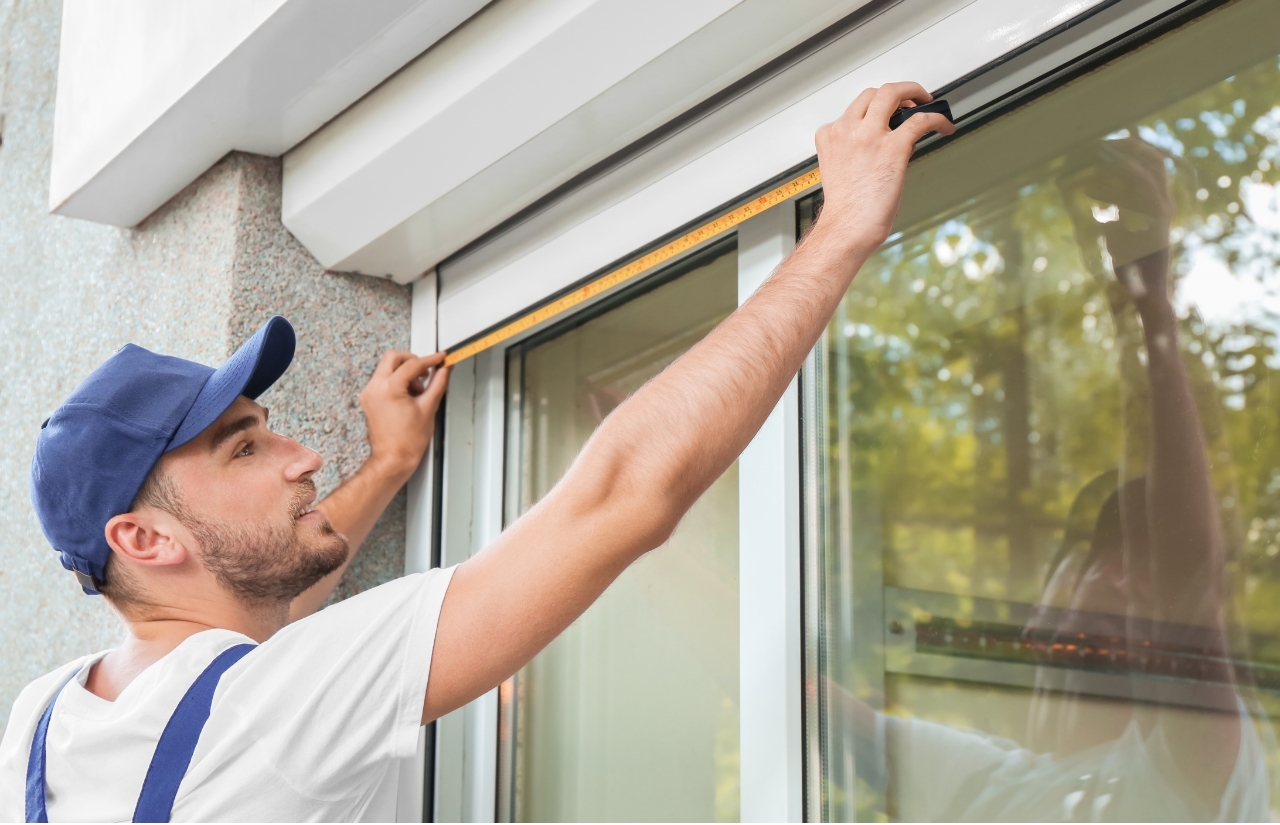
Custom window screens can help reduce the amount of outdoor debris that enters your home when windows are open, including pollen, dust, and other seasonal irritants. While screens cannot eliminate allergens, properly fitted custom window screens can limit how much airborne material passes into the home compared to loose or aging screens. 

Why Do Windows Become Hard To Open and Close?

Why Do Windows Become Hard To Open and Close?

Windows become hard to open or close for several reasons, including frame shifting, hardware wear, moisture exposure, and gradual material breakdown over time. In many cases, the issue develops slowly and becomes more noticeable with seasonal changes. Both older windows and improperly installed units can experience operational problems as components age or shift. 

What Do Home Inspectors Look For In Windows and Doors?

What Do Home Inspectors Look For In Windows and Doors?

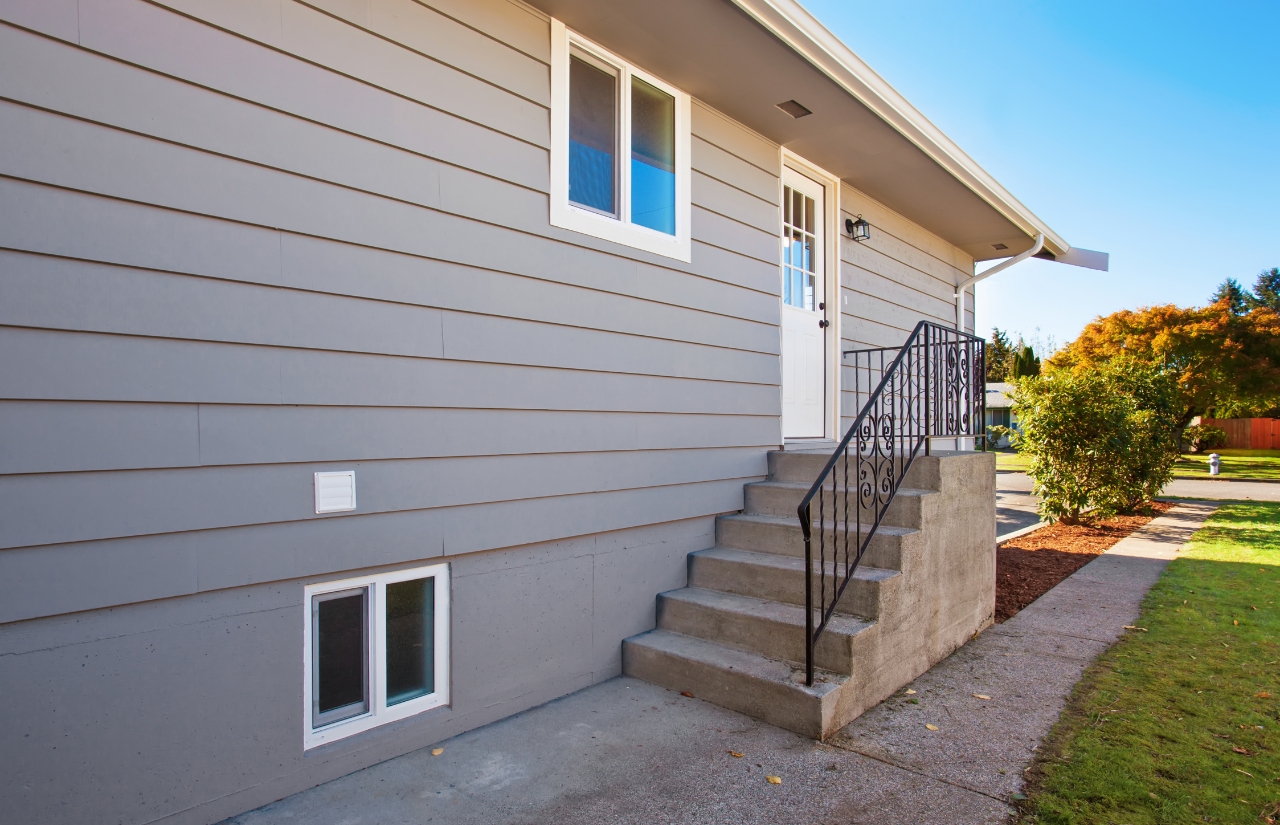
Home inspectors typically evaluate windows and doors for signs of wear, improper installation, air or moisture intrusion, and overall functionality. While inspectors do not determine whether a homeowner must replace windows or doors, they often note conditions that may affect performance, safety, or long-term durability. 

Window Installation Quality Matters As Much As The Window Itself

Window Installation Quality Matters As Much As The Window Itself

Window installation quality matters as much as the window itself because performance depends on both the product and its integration into the home. Even a well-manufactured window can underperform if it is not properly sealed, aligned, and insulated during installation. Windows are engineered systems, and their effectiveness depends on proper installation and structural support. 

Does Your Home Feel Drafty Even With the Windows Closed?

Does Your Home Feel Drafty Even With the Windows Closed?

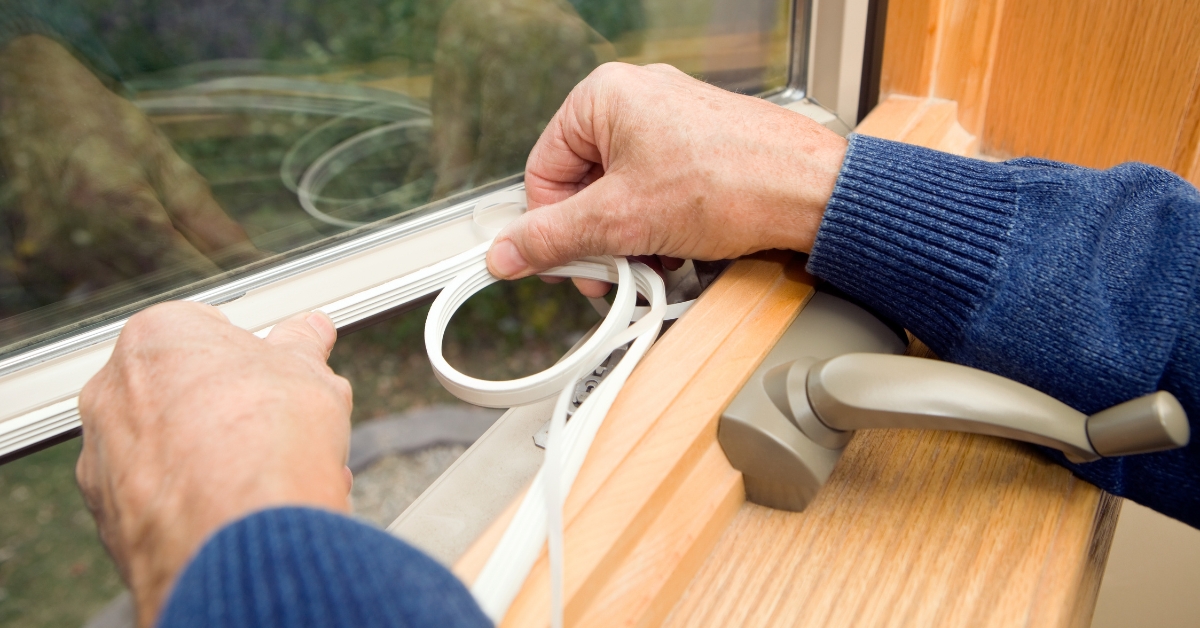
Yes, a home can feel drafty even when the windows are closed. Drafts are not always caused by wide-open gaps between a window and its frame. More often, they result from subtle seal failures, shifting frames, or outdated window construction. While older exterior doors can sometimes contribute to air leakage, windows are typically the primary source of air leakage when indoor spaces feel consistently cool or uneven.