
Table of Contents
Screen porch design priorities have changed as homeowners have begun to use outdoor living spaces more intentionally. Older screen porches were often built mainly to keep insects out and create a basic covered sitting area. Today, many homeowners want screen porches that feel comfortable, open, attractive, and connected to the rest of the home. That shift has changed how screen porches are planned, designed, and used.
What Homeowners Expect From a Screen Porch Today
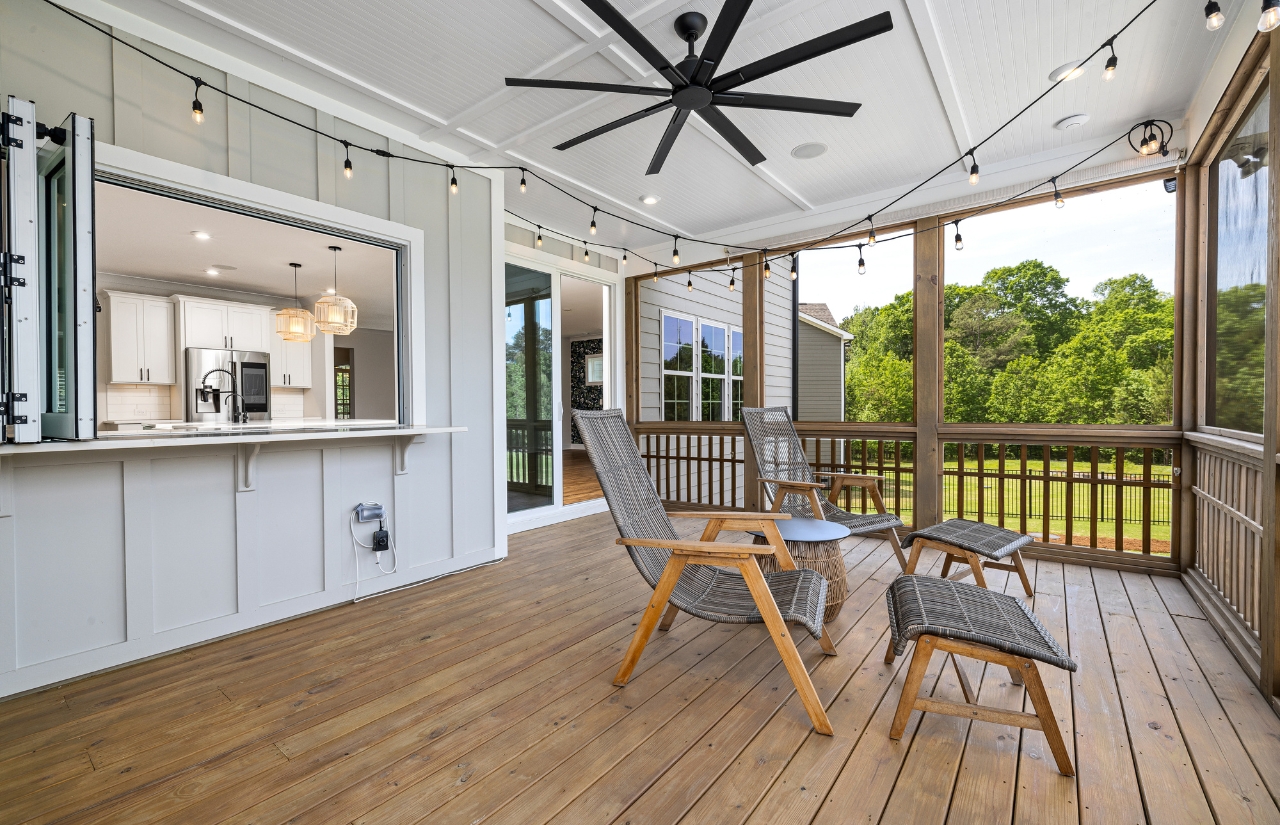
Modern homeowners often expect a screen porch to function as a true outdoor living space rather than a basic enclosed porch. The space may be used for relaxing, dining, entertaining, working from home, or spending time with family during warmer months. Because of that, comfort, airflow, visibility, lighting, and overall appearance now play a larger role in screen porch design.
A screen porch that feels dark, cramped, or disconnected from the home may no longer match how many homeowners want to use outdoor spaces today. Modern projects are often designed to feel more open and integrated with the rest of the property, helping the porch become a more frequently used part of the home.
Older Screen Porch Designs Often Focused on Simplicity
Many older screen porches were built with a straightforward purpose: to provide shade, keep bugs out, and offer a usable outdoor area. That approach still served homeowners well, but the design priorities were often more limited than they are today. Comfort, visibility, and integration with the home were not always major considerations during the planning process.
As outdoor living spaces have become more important, many homeowners have begun wanting more from their screen porches than just a simple enclosure. Older layouts may still function properly, but they may not provide the openness, comfort, or visual appeal homeowners now expect.
Heavier Framing Reduced Visibility
Older screen porches often used more segmented framing layouts with smaller screen openings throughout the structure. While this approach provided support and enclosure, it could also interrupt views of the backyard and make the porch feel more visually closed off. In some cases, the additional framing reduced natural light, making the space feel darker than intended.
Modern screen porch designs often prioritize cleaner sightlines and larger viewing areas. Wider screen openings and updated framing can help create a stronger connection to the outdoors, making the porch feel brighter and more open overall.
Older Screen Materials Were More Limited
Screen materials have improved over the years, especially in areas like visibility, airflow, and durability. Older mesh systems were typically chosen for basic functionality, which meant homeowners sometimes accepted reduced clarity or airflow as part of the tradeoff. Over time, some older screens may also stretch, sag, or become less visually appealing.
Many modern screen options are designed to improve both comfort and appearance. Newer materials can help create a more open feeling while still providing the insect protection homeowners expect from a screened outdoor space.
Outdoor Living Was Less Integrated Into the Design
Many older screen porches were treated more like separate add-on spaces than natural extensions of the home. As a result, they sometimes felt disconnected from the main living areas or backyard layout. In many homes, the porch was simply attached where space allowed rather than thoughtfully integrated into the overall design.
Today, homeowners often want a smoother transition between indoor and outdoor living spaces. Screen porches are now commonly designed alongside patios, decks, kitchens, and entertainment areas so the entire outdoor space feels more connected and functional.
Modern Screen Porch Design Focuses More on Comfort and Usability
Modern screen porch projects are often designed around how the homeowner plans to use the space regularly. Instead of simply enclosing an area, the goal is usually to create a space that feels comfortable enough for everyday use throughout much of the year.
This has shifted design priorities toward airflow, lighting, visibility, seating arrangements, and overall usability. A well-designed screen porch should feel inviting and practical rather than simply serving as a covered outdoor enclosure.
Airflow and Ventilation Play a Larger Role
Airflow is one of the biggest factors in how comfortable a screen porch feels during Georgia summers. A porch with poor ventilation can quickly become warm and stagnant, even if it is protected from direct sunlight and insects. Modern screen porch designs often consider how air will move through the space and whether to incorporate ceiling fans or other comfort features.
When airflow is planned properly, the porch tends to remain more comfortable throughout the day. This helps homeowners use the space more consistently during warmer months rather than avoiding it during peak heat.
Aesthetic Integration Matters More
Homeowners today often want their screen porch to match the home’s style and appearance. This includes framing details, ceiling finishes, trim work, colors, and transitions between indoor and outdoor areas. A porch that blends naturally with the home usually feels more intentional and visually appealing.
This focus on aesthetics is not simply about appearance. A more cohesive design often helps the screen porch feel like a natural extension of the living space instead of a separate outdoor structure added later.
Comfort Features Are More Common
Modern screen porches are also more likely to include comfort-focused features such as ceiling fans, upgraded lighting, larger seating layouts, and improved screen systems. In some projects, homeowners may also choose motorized screens or integrated outdoor entertainment features to increase flexibility and usability.
These additions help make the porch feel more functional throughout the year. Rather than serving as a space used occasionally, many modern screen porches are designed to become one of the most frequently used areas of the home.
Signs an Older Screen Porch May No Longer Meet Your Needs
As design priorities change, some older screen porches may feel less functional or enjoyable than homeowners want their outdoor spaces to be today. In many cases, the structure itself may still be sound, but the layout or features may no longer support the level of comfort homeowners expect.
- The Porch Feels Dark or Visually Closed Off – Older framing layouts may limit visibility and reduce the open feeling many homeowners now prefer.
- Airflow Throughout the Porch Feels Limited – Poor ventilation can make the space harder to enjoy during warmer weather.
- The Porch Feels Disconnected From the Rest of the Home – Older layouts may not flow naturally with nearby indoor or outdoor living spaces.
- The Space No Longer Fits How Your Family Uses Outdoor Areas – Lifestyle changes often affect what homeowners want from a screen porch over time.
Screen Porch Installation and Replacement in Atlanta, Georgia
Modern screen porch design places greater emphasis on comfort, usability, airflow, and integration with outdoor living than many older designs. If your current porch no longer matches how you want to use your outdoor space, replacing it may provide an opportunity to improve both function and appearance.
At AAA Screen & Window, we design and install custom screen porches built around how homeowners use outdoor living spaces today. Our team has served the Atlanta area since 1959, and we invite you to schedule a complimentary consultation to explore your options.
FAQ About How Screen Porch Priorities Have Changed Over The Years
Accordion Content
Yes. Modern screen porch design often places more emphasis on comfort, airflow, visibility, and integration with outdoor living spaces than many older designs did.
Updated framing layouts and newer screen materials can improve visibility and create a stronger connection between the porch and the outdoors.
Many modern screen porch designs are planned with ventilation and airflow in mind, especially in warmer climates like Georgia.
Yes. Many homeowners choose to replace older screen porches to improve comfort, usability, and overall outdoor living experience.