
Table of Contents
Storm windows offer several practical benefits for Atlanta homeowners, including improved energy efficiency, greater indoor comfort, reduced outdoor noise, and additional protection for existing windows. Although their name suggests they are primarily intended for severe weather, storm windows serve a much broader purpose. They create an additional layer between a home’s existing windows and outdoor conditions, helping improve performance without requiring complete window replacement.
In Metro Atlanta, where hot, humid summers are followed by relatively mild winters, storm windows can provide year-round value. They are particularly useful for homeowners with older windows that remain in good condition but lack the insulating performance of modern window systems.
What Are Storm Windows and How Do They Work?
Storm windows are secondary window units installed over existing primary windows, either on the interior or exterior of the home. Unlike replacement windows, they do not require homeowners to remove their original windows. Instead, they add an extra layer of glass or other transparent glazing, with an air space between the two window units.
This additional layer helps reduce heat transfer and can limit unwanted air movement around older windows. Modern storm windows are available in different configurations, including options with low-emissivity (low-e) glass that can further improve thermal performance. The effectiveness of a storm window depends on its construction, proper installation, and the condition of the original window.
Storm Windows Help Address Atlanta’s Summer Heat
Atlanta homeowners spend a significant portion of the year cooling their homes. Long summers, high humidity, and periods of intense sunlight can make it difficult to maintain comfortable indoor temperatures, particularly in houses with older single-pane windows.
Storm windows can improve the performance of these existing windows by adding another layer of insulation. When properly selected for Georgia’s climate, they can help reduce unwanted heat transfer and support more consistent indoor temperatures.
Low-E Storm Windows Can Reduce Solar Heat Gain
Low-E storm windows feature a specialized coating that helps control the transfer of radiant heat. Certain low-e coatings are designed to limit the amount of solar heat entering a home, making them particularly useful in warmer climates.
For Atlanta homeowners, selecting a storm window with appropriate solar-control properties can help reduce heat gain through older windows. This is especially beneficial for rooms with significant afternoon sun exposure, where indoor temperatures may become uncomfortable during summer.
Improved Insulation Can Support HVAC Efficiency
Older windows can allow substantial heat transfer between indoor and outdoor environments. During summer, this can increase the amount of heat the air conditioning system must remove to maintain the desired indoor temperature.
Adding properly fitted storm windows can improve the insulating performance of existing windows. While actual energy savings depend on the home and its existing windows, reducing unwanted heat transfer can help limit heating and cooling demands. The U.S. Environmental Protection Agency recognizes certified low-e storm windows as an energy-saving option for qualifying existing window systems.
Storm Windows Provide Benefits During Georgia Winters
Atlanta winters are generally milder than those experienced farther north, but freezing temperatures and occasional cold spells still occur. Older windows may allow noticeable heat loss during these periods, particularly when they have single-pane glass or poorly sealed components.
Storm windows provide an additional insulating layer that can help reduce heat loss during colder weather. This makes them useful throughout the year rather than exclusively during summer or severe storms.
Reduced Drafts Improve Indoor Comfort
Drafts around older windows can make nearby rooms uncomfortable, even when the home’s heating system is operating normally. Air leakage may occur around aging window components or through gaps that have developed over time.
Properly installed storm windows can help reduce air infiltration around existing windows. This additional protection may make rooms near exterior windows feel more comfortable during cold weather, although significant deterioration or installation problems in the original window should still be addressed.
Additional Insulation Helps Retain Indoor Heat
Single-pane windows provide relatively little resistance to heat transfer compared with modern insulated window systems. During colder weather, heat can move through the glass, making the area around the window feel noticeably cooler.
A storm window creates an additional insulating air space that helps reduce this heat transfer. For Atlanta homeowners with older but functional windows, this can be a practical way to improve winter comfort without immediately replacing the original units.
Storm Windows Add Protection Against Rain and Wind
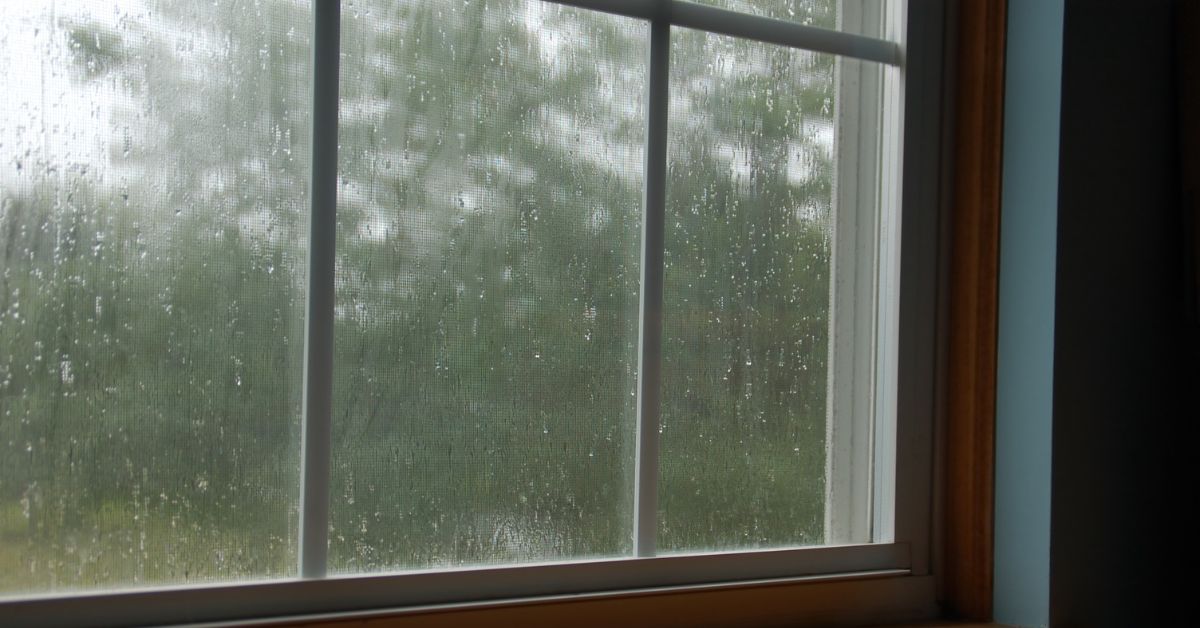
Metro Atlanta experiences thunderstorms, heavy rainfall, and periods of strong wind throughout the year. These conditions expose exterior windows to repeated moisture and weather-related wear, particularly in older homes.
Exterior storm windows provide an additional barrier between the original window and outdoor conditions. Although they are not substitutes for impact-rated hurricane windows or other specialized storm-protection systems, they can help shield existing window components from direct exposure.
An Additional Barrier Against Wind-Driven Rain
Heavy rain accompanied by wind can place considerable stress on exterior window assemblies. Properly installed storm windows can help reduce the amount of direct exposure experienced by the original window.
Exterior storm windows must also be designed to manage moisture appropriately. Features such as drainage openings allow water that enters the space between the windows to escape rather than becoming trapped against the original frame.
Older Window Components Receive Added Protection
Many established Atlanta neighborhoods contain homes with older wood-framed windows. These windows may have architectural character worth preserving, but their exterior surfaces remain exposed to sunlight, moisture, and changing temperatures.
Exterior storm windows can help reduce direct weather exposure to portions of the original window assembly. This added protection may help preserve existing materials, although regular maintenance and proper moisture management remain important.
Storm Windows Can Reduce Outdoor Noise
Atlanta’s growing metropolitan area includes busy roads, commercial corridors, and densely populated residential neighborhoods. Traffic, landscaping equipment, and other outdoor activities can contribute to unwanted noise inside nearby homes.
Storm windows can provide some sound reduction by adding another layer between the interior and exterior environments. Their effectiveness depends on factors such as glass thickness, the spacing between window layers, and how well the units are sealed.
Additional Glazing Can Make Interior Spaces Quieter
Sound can travel through window glass and gaps around window assemblies. Adding a properly fitted storm window creates another barrier that may reduce the amount of outdoor noise entering the home.
For homeowners living near busy streets in Atlanta, Sandy Springs, Roswell, or other Metro Atlanta communities, this can be a valuable secondary benefit. Storm windows are not designed to eliminate outdoor noise, but they may help make interior spaces more comfortable.
Storm Windows Can Preserve the Appearance of Older Homes
Metro Atlanta includes many established neighborhoods with homes that feature original windows and distinctive architectural details. Homeowners may want to improve energy performance while maintaining the appearance of these existing window systems.
Storm windows can offer an alternative to complete replacement when the original windows remain structurally sound and functional. This is particularly relevant for historic properties or homes where preserving original materials is an important consideration.
Original Windows Can Remain in Place
One of the primary advantages of storm windows is that they can be installed alongside existing windows. Homeowners can improve the performance of older window systems without necessarily removing original frames, sashes, or decorative details.
Modern storm windows come in different frame styles and finishes that complement the home’s exterior. Selecting an appropriate design helps minimize visual disruption while providing the practical benefits of additional glazing.
Storm Windows May Be More Economical Than Replacement
Replacing every window in a home can represent a substantial investment, especially when the existing windows have unusual dimensions or architectural features. Storm windows may be a more economical alternative when the primary windows remain serviceable.
However, storm windows are not appropriate for every situation. If the original windows have extensive rot, significant structural deterioration, or serious operational problems, complete replacement may be the more practical long-term solution.
Are Storm Windows Worth Installing in Atlanta?
Storm windows can be a worthwhile investment for Atlanta homeowners who want to improve the performance of existing windows without replacing them entirely. Their value is particularly apparent in homes with older single-pane windows that remain structurally sound but provide limited insulation.
Homeowners should consider the condition of the original windows, the home’s energy performance, and their priorities. In some cases, modern replacement windows may offer a more comprehensive solution, especially when the existing units have significant damage or multiple performance problems.
Choosing Storm Windows for Georgia’s Climate
Not all storm windows provide the same performance characteristics. Products intended for colder northern climates may prioritize retaining solar heat, while options designed for warmer regions may emphasize limiting unwanted solar heat gain.
For Metro Atlanta homes, selecting an appropriate low-e coating and storm window configuration is important. ENERGY STAR recommends choosing certified storm windows suited to the home’s climate zone because the most effective glazing characteristics vary by region.
Storm Window Installation in Atlanta, Georgia
Storm windows offer practical benefits year-round in Metro Atlanta. From reducing summer heat gain and winter heat loss to improving indoor comfort and protecting existing windows, they can be a valuable addition to homes with older window systems.
At AAA Screen & Window, we’ve served Metro Atlanta homeowners since 1959. Our team can help you explore storm window options that complement your existing windows and address your home’s specific needs.
Whether you’re interested in improving energy efficiency, preserving older windows, or adding another layer of protection against outdoor conditions, we’re here to help.
FAQ About Storm Windows in Atlanta, Georgia
Accordion Content
Storm windows are not necessary for every Atlanta home, but they can provide meaningful benefits. Atlanta’s hot summers and occasional winter cold spells create opportunities for improved insulation and energy performance, particularly in homes with older single-pane windows.
Accordion
Yes. Storm windows can help reduce heat transfer through existing windows. Models with low-e coatings designed for warmer climates may also reduce unwanted solar heat gain, helping maintain more comfortable indoor temperatures.
Storm windows may reduce heating and cooling costs by improving the thermal performance of existing windows. The actual savings depend on the condition of the original windows, the selected storm window, installation quality, and the home’s overall energy use.
No. Standard storm windows are secondary window units primarily intended to improve insulation and provide an additional layer of protection for existing windows. They should not be confused with impact-rated hurricane windows, which are specifically engineered and tested to resist certain windborne debris impacts.
Storm windows may be appropriate when existing windows remain structurally sound and operate properly. If the original windows have significant deterioration, damaged frames, or persistent operational problems, complete window replacement may be a better long-term investment.