
Table of Contents
A high-quality window screen system should do more than simply cover an opening. It should fit securely, maintain proper airflow, and hold its shape over time without sagging or shifting. Many homeowners do not think about their window screens until problems appear, such as loose frames, reduced airflow, or visible wear. Understanding what defines a high-quality system can help homeowners make better decisions about replacement and long-term performance.
The Core Components of a High-Quality Window Screen System
A window screen system relies on a few key components that must work together to perform properly. The frame, mesh, and overall fit all play a role in how well the screen functions. When any one of these elements is lacking, the performance of the entire screen can be affected.
Durable Screen Frame Construction
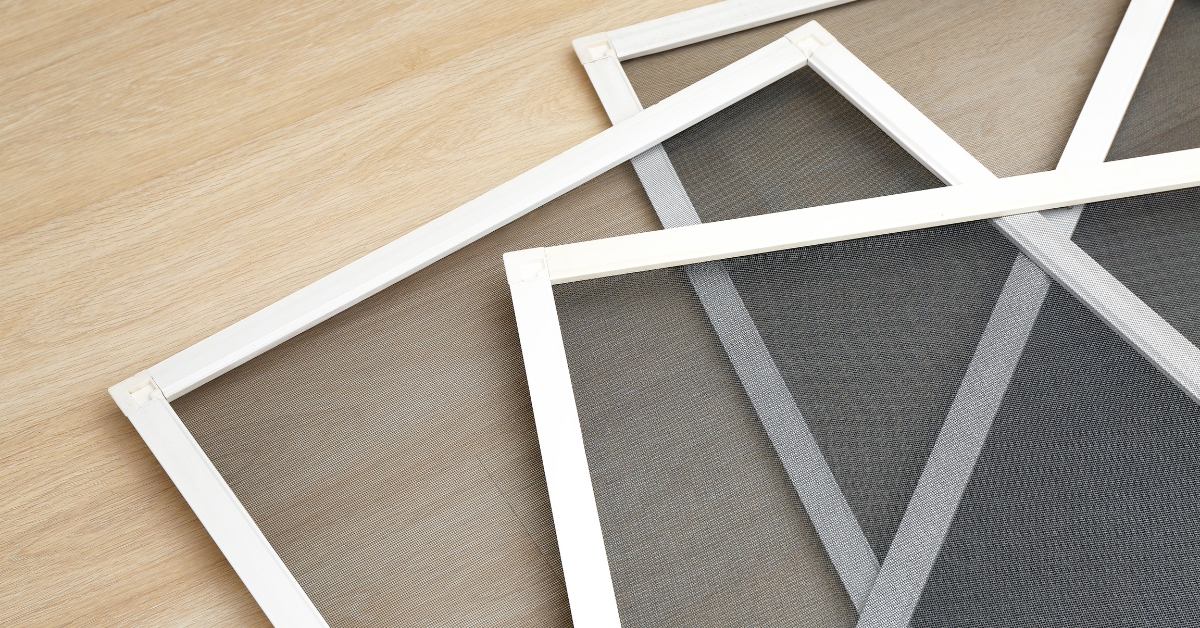
The frame provides the structure that holds the entire screen system together. A high-quality frame should be strong enough to maintain its shape over time without bending, warping, or loosening within the window opening. Aluminum frames are commonly used because they offer a balance of strength and lightweight performance, which helps the screen remain stable during everyday use.
When frames are made from lower-quality materials, they may bend or lose their shape with repeated removal or seasonal changes. Once the frame is no longer square, the screen may not fit properly in the window, leading to gaps or instability. A durable frame helps prevent these issues and supports consistent long-term performance.
Properly Tensioned Screen Mesh
Screen mesh should be installed with the correct amount of tension so it remains flat and evenly stretched across the frame. When the mesh is too loose, it can sag or ripple, which affects both appearance and function. Sagging mesh may also create uneven openings, reducing the screen’s effectiveness.
A high-quality window screen system maintains consistent mesh tension from edge to edge. This helps preserve airflow while keeping the screen’s structure intact over time. Proper tension also contributes to a cleaner, more finished look across the window opening.
Precision Fit Within the Window Opening
Fit is one of the most important factors in overall screen performance. A high-quality window screen system is built to match the exact dimensions of each window opening. This allows the screen to sit securely within the frame without shifting or leaving gaps along the edges.
Screens that do not fit properly may allow debris or insects to enter around the perimeter rather than through the mesh. Even small gaps can reduce the screen’s effectiveness and cause ongoing frustration. A precise fit helps ensure the screen performs as intended and remains stable during regular use.
How High-Quality Window Screens Improve Performance
When all components of a screen system work together, the result is more consistent and reliable performance. High-quality screens support airflow while helping manage what enters the home from the outside. This balance becomes more noticeable during seasons when windows are opened more frequently.
Consistent Airflow Without Disruption
A well-built screen system allows air to move through the window opening evenly without unnecessary resistance. Proper mesh selection and tension help maintain airflow while still providing a barrier between the indoors and outdoors. This is especially important for homeowners who rely on natural ventilation during mild weather.
Reduced Entry of Outdoor Debris
While window screens are not designed to filter all airborne particles, a properly fitted system can help reduce the amount of debris entering the home. Leaves, insects, and larger outdoor particles are more likely to be stopped by the screen than to pass through the opening.
Longer-Lasting Performance
High-quality materials and construction methods help window screens maintain their performance over time. Frames that remain square and mesh that stays properly tensioned are less likely to require frequent adjustments or early replacement. This contributes to a more reliable solution for homeowners who want consistent results.
Signs Your Window Screens May Need Replacement
Even if window screens appear functional at a glance, certain signs can indicate that they are no longer performing at a high level. These issues often develop gradually and may become more noticeable over time.
- Sagging or loose mesh – When the mesh loses tension, it can create uneven openings and reduce the effectiveness of the screen. This can also affect airflow and overall appearance.
- Bent or distorted frames – Frames that no longer sit squarely in the window can create gaps along the edges. These gaps allow debris and insects to bypass the screen entirely.
- Gaps around the screen edges – Poor fit within the window opening can allow outdoor elements to enter without passing through the mesh. This is often a sign that the screen was not built to the correct dimensions.
- Screens that shift or do not stay in place – Screens that require frequent adjustment may not be properly sized or may have weakened over time.
Professional Custom Window Screen Installation in Atlanta, Georgia
A high-quality window screen system starts with accurate measurements and proper installation. At AAA Screen & Window, we design and install custom window screens tailored to each window opening, ensuring a secure fit and consistent performance. Our team has served Atlanta homeowners since 1959, providing screen solutions that improve airflow, enhance durability, and enhance overall functionality.
If your current screens are sagging, loose, or no longer fitting properly, we invite you to schedule a complimentary consultation to explore custom replacement options for your home.