
Table of Contents
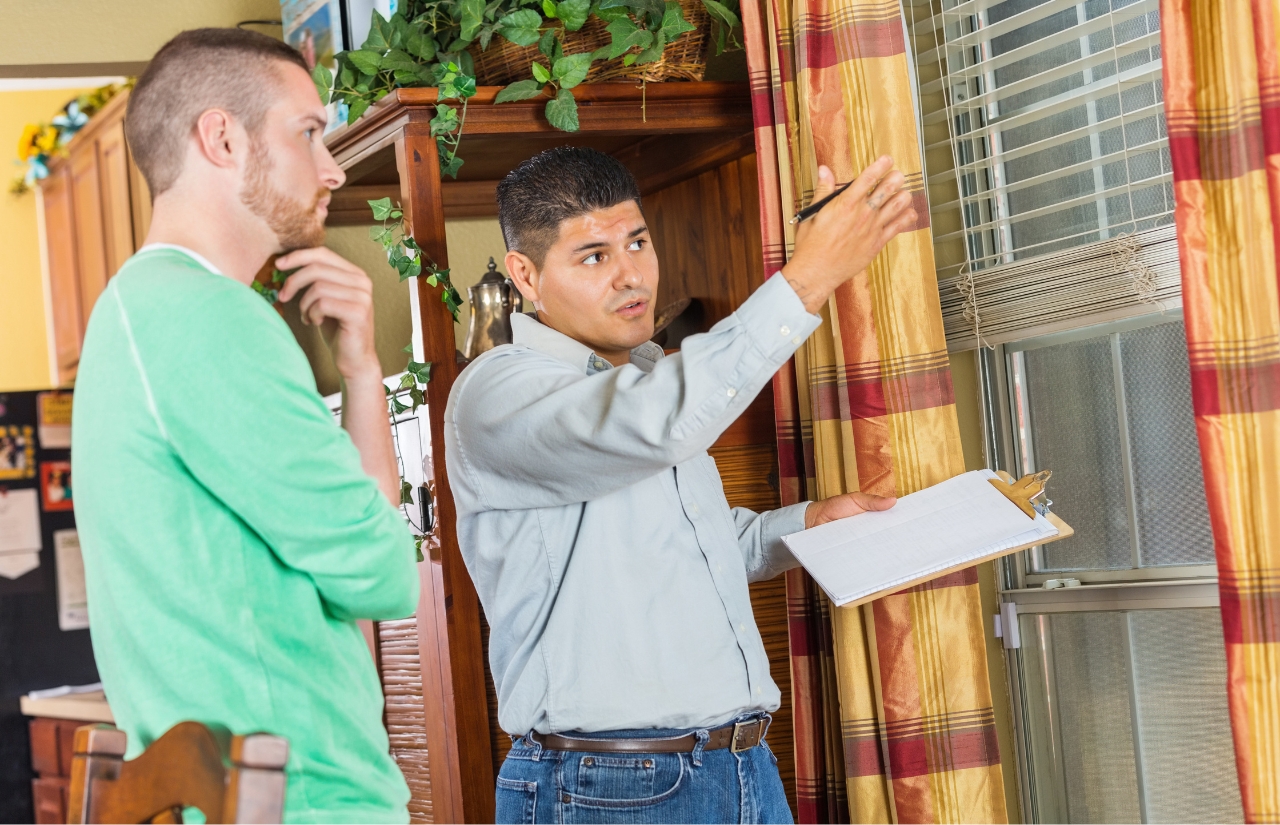
Home inspectors typically evaluate windows and doors for signs of wear, improper installation, air or moisture intrusion, and overall functionality. While inspectors do not determine whether a homeowner must replace windows or doors, they often note conditions that may affect performance, safety, or long-term durability.
Understanding what inspectors commonly look for can help homeowners prepare before listing a property or simply assess their home’s condition. In many cases, window replacement or door replacement becomes part of that broader conversation.
Structural Condition and Frame Integrity
Windows and doors are part of a home’s exterior envelope, and inspectors typically assess their structural condition during a routine inspection. This includes reviewing frames, sills, and surrounding trim for visible deterioration.
Signs of Rot or Material Breakdown
Wood frames may show signs of rot if exposed to long-term moisture. Soft spots, cracking, or visible decay can raise concerns about durability. Even if the damage appears minor, inspectors may document it as a condition to monitor or repair.
Vinyl or composite frames may not rot in the same way, but they can warp, crack, or separate at joints over time. These issues do not automatically require replacement, but they can affect overall performance.
Evidence of Moisture Intrusion
Inspectors often look for staining, bubbling paint, or water marks near window and door openings. These signs may indicate that water has entered around the frame. In some cases, the issue stems from failed caulking, flashing concerns, or aging materials rather than the window or door itself. Still, moisture-related findings are commonly noted in inspection reports.
Proper Operation and Functionality
Functionality is another key area inspectors review. Windows and doors should open, close, and latch properly without excessive force.
Windows That Do Not Open or Stay Open
Inspectors may test operable windows to ensure they function as intended. Windows that stick, fail to stay open, or do not lock properly are often documented. While some issues may be minor, others can indicate alignment or hardware wear.
Doors That Do Not Close or Latch Securely
Exterior doors are typically checked for proper alignment and secure latching. A door that rubs against the frame, leaves uneven gaps, or does not latch smoothly may be noted. These issues can sometimes be corrected with adjustments, but they may also reflect frame shifting or material wear.
Seal Condition and Insulated Glass Performance
Modern windows rely on insulated glass units and perimeter seals to perform effectively. Inspectors frequently look for visible signs that these systems may be compromised.
Condensation Between Glass Panes
Moisture or fogging between panes can indicate seal failure in insulated glass units. While this does not always require immediate replacement, it often suggests reduced insulating performance. Inspectors may list this as a condition requiring further evaluation.
Deteriorated Weatherstripping
Weatherstripping around doors and windows is intended to reduce air infiltration. If it appears cracked, compressed, or missing in sections, inspectors may note it. Although weatherstripping can often be replaced independently, widespread deterioration may reflect the age of the overall system.
Safety and Code Considerations
Inspectors may also review windows and doors for safety-related concerns. These observations typically relate to functionality and general compliance rather than aesthetic condition.
Egress Requirements
In bedrooms, windows often serve as emergency exits. Inspectors may verify that these windows can open and meet general size expectations for egress. If a window does not operate properly, it may be listed as a safety concern.
Tempered Glass in Required Areas
Certain areas of the home, such as near doors or at floor level, may require tempered safety glass. If glass appears outdated or not marked appropriately, inspectors may recommend further evaluation. This does not necessarily mean the window must be replaced, but it can become part of the negotiation during a sale.
Window and Door Condition Matter During a Sale
Inspection reports often influence negotiations. When multiple minor issues are noted across windows or doors, buyers may request repairs or concessions. Addressing known concerns ahead of time can help reduce surprises during the transaction process.
Professional window replacement or door replacement is not always necessary before listing a home. However, when systems show widespread wear, upgrading them can simplify inspection findings and potentially improve buyer confidence.
Professional Window and Door Replacement in Atlanta, Georgia
If you are preparing for a home inspection or simply evaluating the condition of your windows and doors, a professional assessment can provide clarity. AAA Screen & Window has served Atlanta homeowners since 1959, offering window replacement and door replacement services tailored to long-term performance. Whether you are listing your home or planning updates, a complimentary consultation can help you understand your options and determine the best next step.
FAQ About What Home Inspectors Look For In Windows and Doors
Accordion Content
No. Inspectors document conditions they observe but do not require homeowners to replace windows.
Not necessarily. Inspectors typically note functionality and condition rather than age alone.
Yes. Doors that do not latch properly or show visible gaps may be documented in an inspection report.
It often indicates seal failure and reduced insulating performance, though it may not require immediate replacement.
It depends on overall condition. A professional evaluation can help determine whether replacement would meaningfully improve inspection results or buyer confidence.