
Table of Contents
Window screens are often viewed as simple accessories, but how they fit within the window opening can significantly affect comfort, airflow, and overall performance. A poorly fitting screen may allow debris and insects to enter around the edges, shift within the frame, or reduce the window’s effectiveness during everyday use. Properly fitted window screens help create a cleaner, more secure fit that supports better airflow and a more comfortable indoor environment.
Why Window Screen Fit Matters
A window screen is only as effective as its fit within the window opening. Even high-quality screen materials may not perform properly if the screen itself does not sit securely within the frame. Small gaps, loose edges, or shifting screens can reduce the system’s effectiveness and cause ongoing frustration for homeowners.
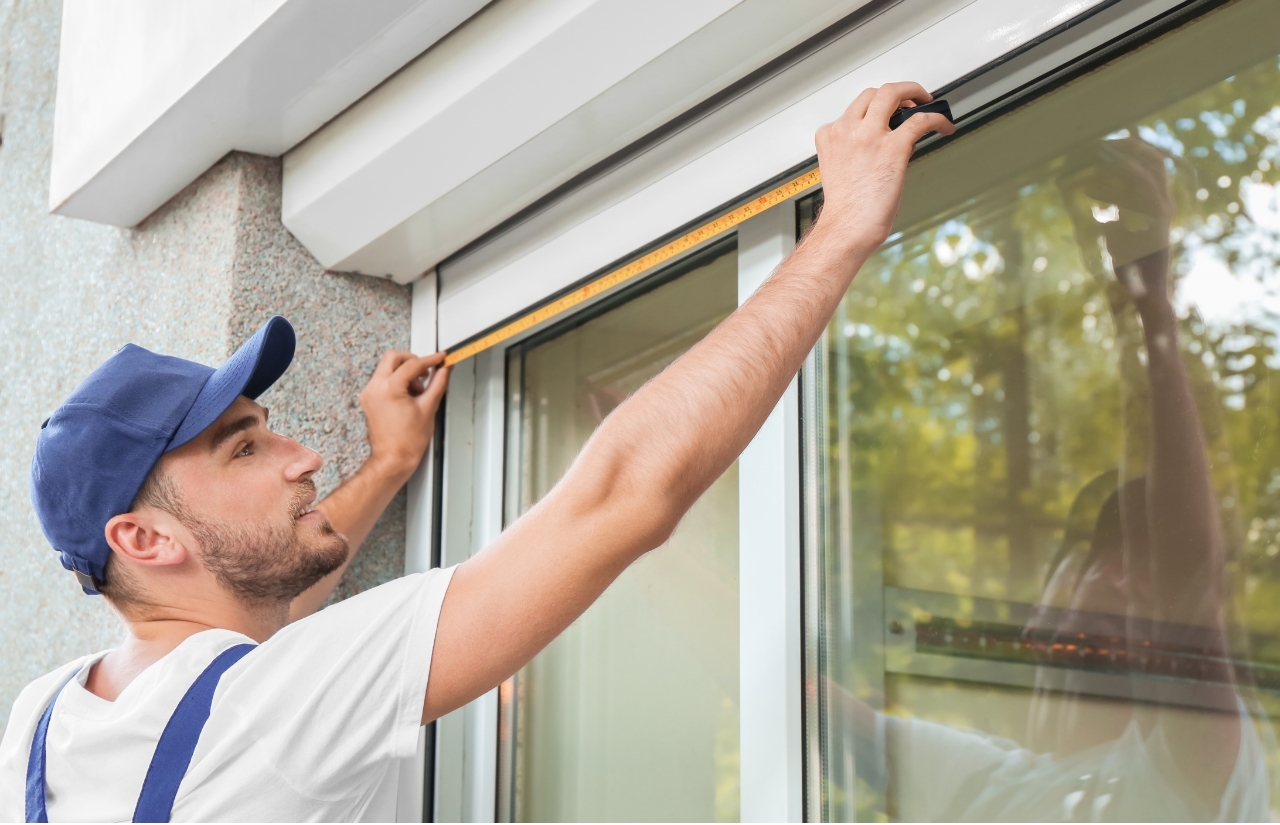
Properly fitted window screens are designed to match the exact dimensions of the window. This helps the screen remain stable during regular use while creating more consistent coverage across the opening.
Common Problems Caused by Poorly Fitted Window Screens
The screen material itself does not cause many window screen issues, but improper sizing or a weakened frame fit over time can. These problems often develop gradually and become more noticeable as screens age or are used repeatedly.
Gaps Around the Screen Edges
One of the most common issues with improperly fitted screens is the presence of gaps around the perimeter of the frame. Even small openings may allow insects, leaves, pollen, or outdoor debris to bypass the screen entirely. In many cases, homeowners assume the mesh itself is failing when the real issue is the screen’s fit within the opening.
A properly fitted screen helps create more complete coverage across the window. This improves the screen’s overall performance while helping the window function the way homeowners expect.
Screens That Shift or Feel Loose
Screens that move within the frame or require constant adjustment are often signs of improper fit. Over time, weaker frames may bend slightly or lose their ability to stay firmly positioned within the window opening. This can make the screen feel unstable during operation or when windows are opened and closed regularly.
A secure fit helps the screen stay properly seated within the frame and reduces movement during everyday use. This contributes to a cleaner appearance and a more reliable overall system.
Reduced Airflow and Visibility
Poorly fitted screens may also affect how airflow moves through the window opening. Sagging mesh or uneven tension can interrupt airflow and create a less open feeling throughout the space. In some cases, older or damaged screens may also reduce outward visibility, making the window appear less clean overall.
Properly fitted modern screen systems are designed to maintain consistent airflow while providing a more open and visually clean appearance.
How Properly Fitted Window Screens Improve Everyday Comfort
Well-fitted screens support how homeowners use windows throughout the year. While they may seem like a small component of the home, properly functioning screens can make natural ventilation and fresh air feel more practical and enjoyable.
Better Support for Natural Ventilation
Many homeowners open their windows during milder weather to bring in fresh air. Properly fitted screens help support this by creating a more dependable barrier between indoor and outdoor spaces. When the screen fits securely, homeowners can use their windows more confidently without worrying about loose edges or gaps.
Cleaner and More Consistent Appearance
Screens that fit correctly tend to sit flatter and more evenly within the window opening. This creates a cleaner overall appearance from both inside and outside the home. Loose or poorly sized screens, on the other hand, can make windows look worn or unfinished even if the windows themselves are still in good condition.
Improved Long-Term Performance
A properly fitted screen experiences less unnecessary movement and strain over time. This helps reduce sagging, loosening, and premature wear that may develop when screens constantly shift within the frame. A more secure fit generally contributes to longer-lasting performance and more consistent usability.
Signs Your Window Screens May Not Fit Properly
Window screen fit issues are often easy to overlook until they begin affecting everyday use. Several common signs may indicate that screens are no longer fitting as securely as they should.
- Visible Gaps Around the Screen Edges – Open areas around the perimeter may allow debris or insects to bypass the screen.
- Screens Shift When Windows Are Opened or Closed – Loose fit within the frame can reduce stability during regular use.
- Screens Appear Bowed, Sagging, or Uneven – This may indicate weakened frames or poor tension across the mesh.
- Airflow Feels Inconsistent Near Certain Windows – Uneven screens may affect how air moves through the opening.
Custom Window Screen Replacement in Atlanta, Georgia
Properly fitted window screens help improve airflow, usability, and overall comfort throughout the home. If your current screens feel loose, damaged, or no longer fit securely within the window opening, replacement may help restore both appearance and performance. At AAA Screen & Window, we provide custom window screen replacements designed to match the exact dimensions of each window for a more secure, reliable fit. Our team has served the Atlanta area since 1959. Contact us to get started with a complimentary consultation.
FAQ About Properly Fitted Window Screens
Accordion Content
Proper fit helps the screen stay secure within the window opening while improving airflow, coverage, and overall performance.
Yes. Gaps around the edges of the screen may allow insects and debris to bypass the mesh entirely.
Custom window screens are designed to match the exact dimensions of the window opening, which generally creates a more secure fit.
Yes. Over time, screen frames may weaken, bend, or lose their ability to stay firmly positioned within the window.